
Article guide
On this page
Article guide
Puzzle Guides
New to puzzle games? Learn how to spot clues, solve common ciphers and approach your first mystery with confidence.
27 September 2026 - 6 min read
Article guide
A strange note. A string of numbers. A photograph with something just out of place. Puzzle games invite you to look closer, make connections and discover what happens next.
If you have never played one before, the word cipher might sound intimidating. The good news is that you do not need to be a codebreaker to begin. This guide explains the basics, shows you a few common puzzle types and gives you a simple method to use when you get stuck.
A puzzle game asks you to solve one or more challenges to reach an answer or move a story forward. In a mystery game, you might examine a letter, compare witness statements, work out a timeline or decode a hidden message. The answer to one puzzle may tell you where to look next.
There is no single type of puzzle to expect. GCHQ’s puzzle-solving guide covers challenges involving words, pictures, numbers and hidden codes. That variety is part of the fun: sometimes the key is careful reading, while other times it is spotting a pattern.
A cipher is a rule for changing a message so it cannot be read immediately. To reveal the message, you need to identify and reverse that rule.
For example, imagine that every letter has been moved three places forward in the alphabet. A becomes D, B becomes E, and C becomes F. Using that rule, KHOOR becomes HELLO when you move each letter three places back. This is a Caesar cipher, a type of substitution cipher. Exploratorium’s guide to secret language is a useful starting point if you would like to explore how codes and ciphers work.
In a puzzle game, you are usually given a way to discover the rule. A note might mention “three steps back”, for instance, or a drawing might show two alphabets lined up.
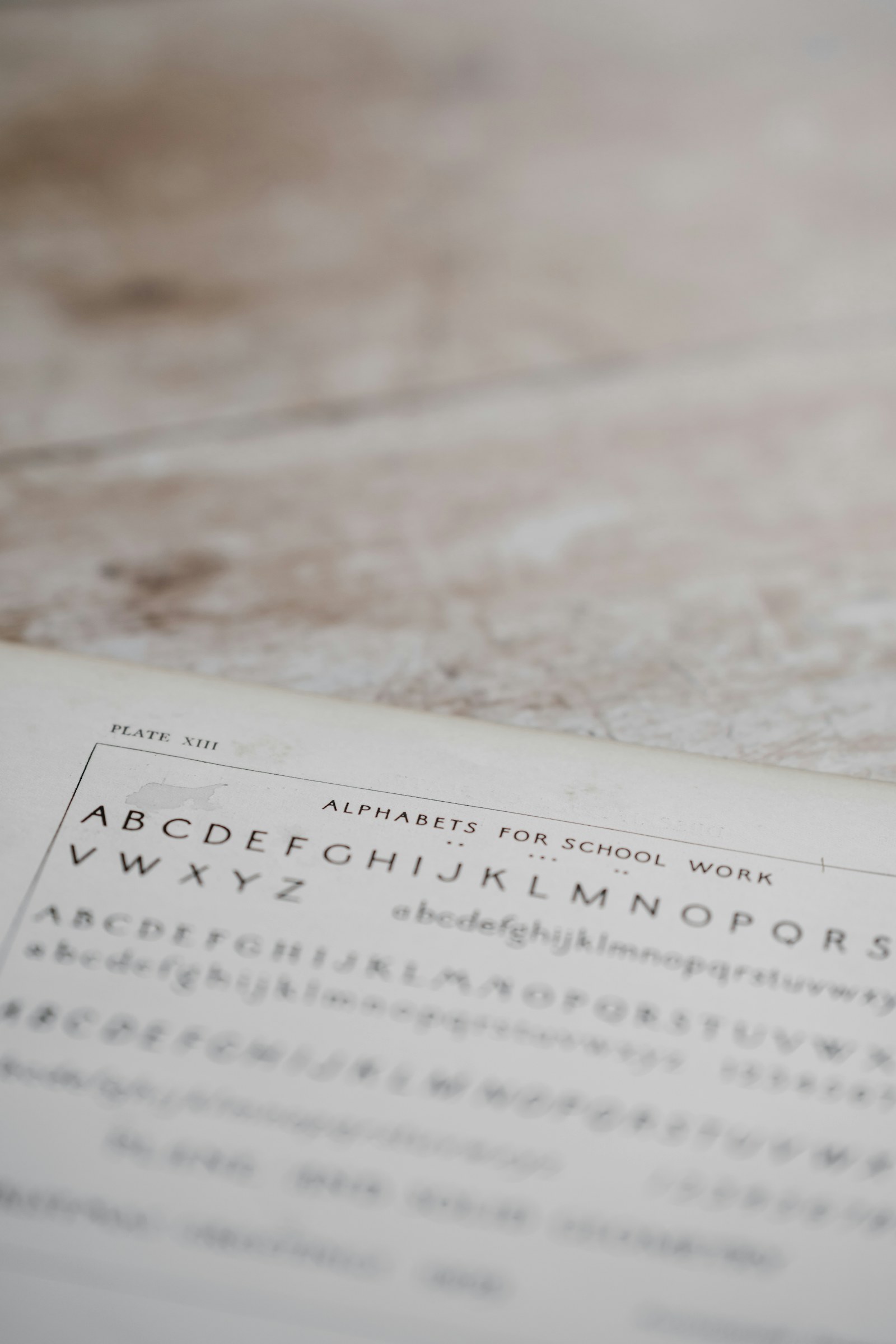
In a letter-shift puzzle, each letter moves the same number of places through the alphabet. If a message looks almost like a word, try shifting every letter by one, two or three places. Remember that the alphabet wraps around, so moving forward from Z takes you back to A.
A common starting point is A = 1, B = 2, C = 3, continuing through to Z = 26. Under that rule, 3-1-20 spells CAT. It is a useful possibility to test when you find a sequence of numbers, although you should still look for a clue that confirms it. GCHQ includes this letter-to-number approach among its suggestions for recognising hidden codes.
Some puzzles replace letters with shapes instead of other letters or numbers. The Pigpen cipher, for example, uses symbols drawn from a grid. Once you have the grid, you can match each symbol to a letter. Simon Singh’s introduction to the Pigpen cipher shows how it works.
Not every answer needs decoding. You may need to put events in time order, notice what changed between two pictures or find a detail that contradicts someone’s account. In a story-led game, it helps to ask: What do I know for certain, and what am I only assuming?
Start by taking stock of what is in front of you. Read the instructions again, look at the format of the clue and note anything unusual. Are some letters repeated? Do the numbers fall between 1 and 26? Does a phrase suggest a direction, a time or a number of steps?
Then try one idea at a time. Write down what you tested so you can return to it later. If you are playing with others, say what you have noticed, even if you have not worked out what it means. Another player may recognise the connection.
It is also fine to pause. GCHQ recommends taking a break or asking someone else for a fresh perspective when a brainteaser is going nowhere. Using a hint in a game is simply another way to keep the story moving.
Here is a short message encoded with a Caesar cipher:
Try it yourself
WKH FOXH LV LQ WKH GUDZHU
Hint: Each letter has moved three places forward. Move each one three places back to read the message.
Answer: THE CLUE IS IN THE DRAWER
Choose a game with a theme that interests you and give yourself time to explore it. Keep a pen and paper nearby, follow the clues that catch your eye and enjoy the moment when separate details begin to fit together. The best way to get comfortable with puzzle games and ciphers is to solve your first one.
For a first puzzle-led mystery, try The Missing Suspect, where you compare alibis, decode a cipher page and work out who vanished from the case file. If you would rather solve clues with a group, Four of a Crime is a quick, easy-to-learn card game built around collecting matching evidence.